
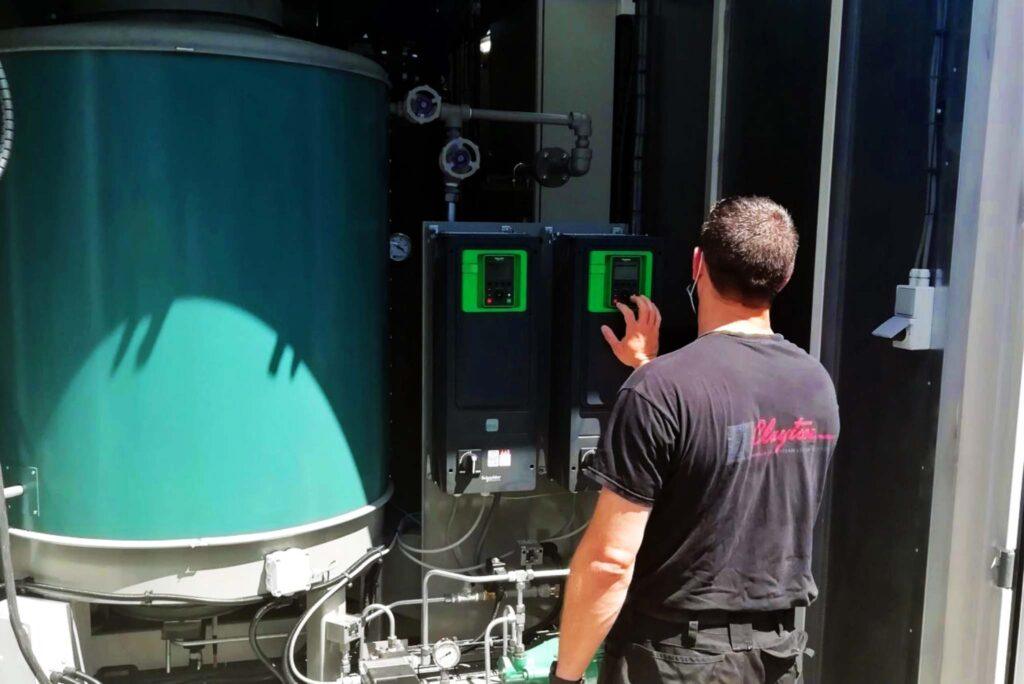
Maximizing Fuel Efficiency in Modern Industrial Steam Boiler Operations
Reducing operating expenses and reducing environmental effects depend on fuel effectiveness in steam boiler systems being improved. Operators are looking for more clever ways to improve performance and cut fuel use as energy needs rise and efficiency criteria get tighter. While keeping constant output and dependability, proper maintenance methods and system optimization can greatly affect how well an industrial steam boiler uses fuel. Boiler system fuel economy is not accidental; it calls for deliberate design, exact management, and constant monitoring.
Optimizing Combustion Performance
Effective fuel use depends on high-quality combustion. Burning fuels has to be exactly balanced to prevent surplus emissions and energy losses. An ideal air-to-fuel ratio guarantees that combustion stays clean and complete, therefore reducing unburned fuel and waste of energy. Key tactics are changing burner settings, cutting out needless extra air, and tracking flame stability. Early detection of irregularities made possible by constant performance analysis helps operators to maintain fuel economy. Appropriate combustion also helps to preserve a constant steam output, which is necessary for industrial operations depending on a steady energy source. Correct tuning of combustion helps boilers respond more effectively to changing load demand, therefore helping to save fuel use during maximum operations.
Improving Heat Transfer Efficiency
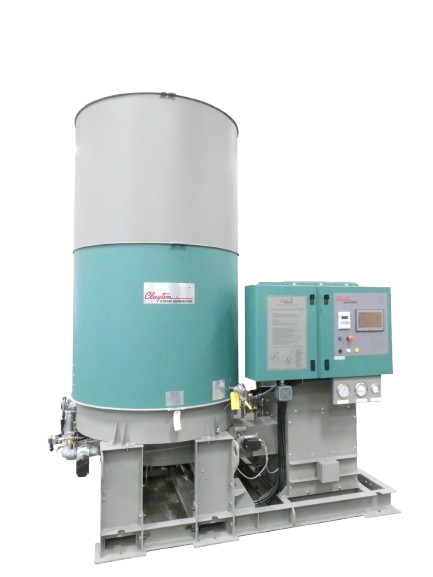
Effective heat transfer guarantees low-loss conversion of fuel energy into steam. Heat exchange surfaces’ efficacy can be lowered with time by fouling, scale development, and residue buildup. These obstacles drive the boiler to use more fuel in order to generate the same volume of steam, therefore raising running expenses. Appropriate water treatment and frequent cleaning help to reduce these problems and restore the best heat transfer conditions. Better insulation and structural improvements help to lower system heat loss as well, thereby promoting energy economy. Particularly in continuous operation, improving the design of the heat channel and reducing needless radiation or convection losses would help to maximize general efficiency.
Load Management and System Integration
When an industrial steam boiler runs close to its ideal load range, fuel economy gains. Inefficient cycling brought on by changing demand results in fuel waste and more component wear. Stable performance is preserved in load balancing techniques including demand forecasting and organized system operation. By matching production to real-time needs, intelligent control systems help to prevent fuel waste during off-peak demand.
Steam boiler operations’ fuel economy results from operational discipline, maintenance, and precision. Facilities can greatly save energy by concentrating on combustion, heat transfer, load control, and proactive monitoring, therefore guaranteeing dependable and sustainable performance.